
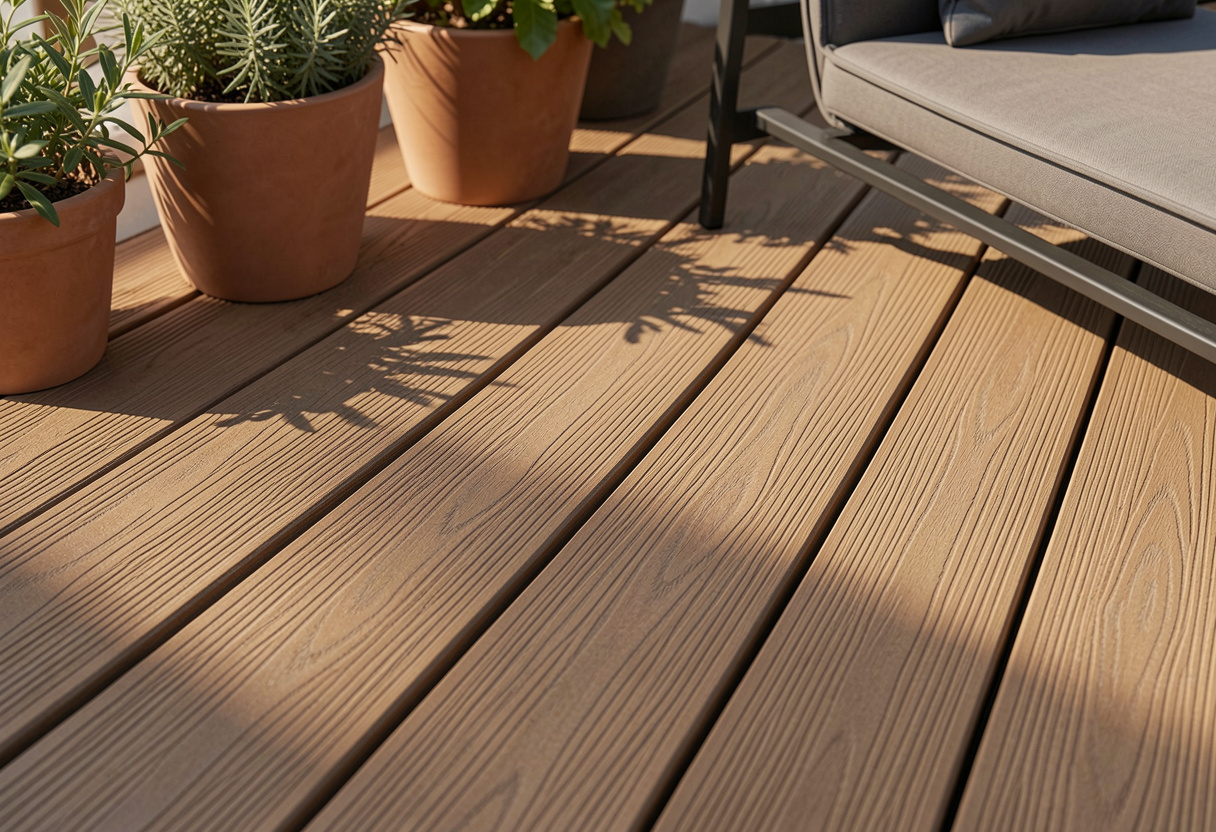
Deck Building in Cooroy’s Hinterland Terrain
Cooroy sits within a landscape defined by rolling hills, elevated ridgelines, and blocks that rarely present a flat building surface. For deck construction, this means site assessment comes before anything else — understanding how the land falls, where the best aspects sit, and how a structure needs to be engineered to work with the terrain rather than against it. Hinterland deck building is a different discipline from coastal or suburban construction, and that distinction matters from the first post placement.
Sloped and elevated blocks are common across Cooroy and the surrounding Noosa Hinterland, and they introduce specific structural requirements around footing depth, bearer spans, and subframe design. A deck on a challenging gradient requires careful load distribution and the right connection details to perform safely over the long term. These aren’t considerations that can be resolved with a standard template — each site demands its own approach.
The reward for getting it right is significant. A well-designed hinterland deck captures views, creates usable outdoor space from otherwise difficult terrain, and adds genuine functional value to properties where the landscape is the primary asset.

Elevated Deck Construction for Sloped Blocks
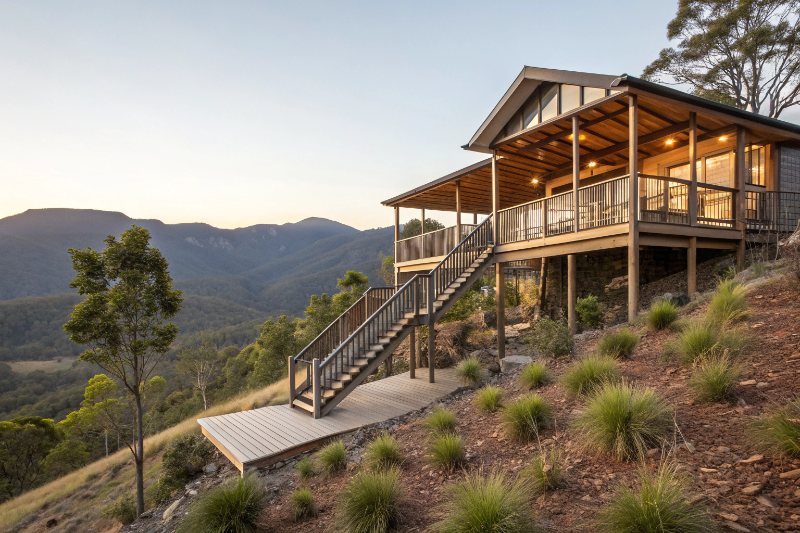
Elevated deck construction transforms what many Cooroy homeowners see as a landscaping problem into a genuine outdoor living asset. A block that drops away from the rear of the home creates the ideal conditions for a raised platform — one that captures views across the hinterland, sits level with indoor living areas, and delivers usable space that flat-ground construction simply cannot replicate.
The structural demands of an elevated deck are more complex than a ground-level build. Post heights, bearer sizing, and bracing requirements all increase as the platform rises, and the connection between the structure and the home requires precise engineering to ensure long-term performance. On Cooroy’s steeper blocks, these decisions directly affect both safety and longevity — shortcuts in the subframe or footing work create problems that compound over time.
Getting the height-to-design ratio right also shapes how the finished deck feels and functions. A well-proportioned elevated structure integrates naturally with the home’s architecture, provides practical access from interior spaces, and creates the kind of outdoor room that suits hinterland living at its best.
Deck Builders Cooroy QLD
Decking Design for Acreage and Large Residential Lots
Acreage properties across the Cooroy area present a design opportunity that smaller suburban blocks simply don’t allow — the freedom to build at scale, position a deck for the best aspect, and create outdoor spaces that genuinely reflect the size and character of the land. When the yard is expansive, the deck design needs to respond to that scale rather than defaulting to a compact platform that feels undersized against the surroundings.
Large lot decking often incorporates multiple zones — a covered entertaining area, an open sun deck, and transition spaces that connect the structure to the yard beyond. Orientation, shade, and sightlines all play a role in how a design comes together on an acreage block. The result, when designed with the property in mind, is an outdoor space that feels deliberate and proportionate to the Cooroy hinterland setting.


Balustrade and Railing Options for Elevated Structures
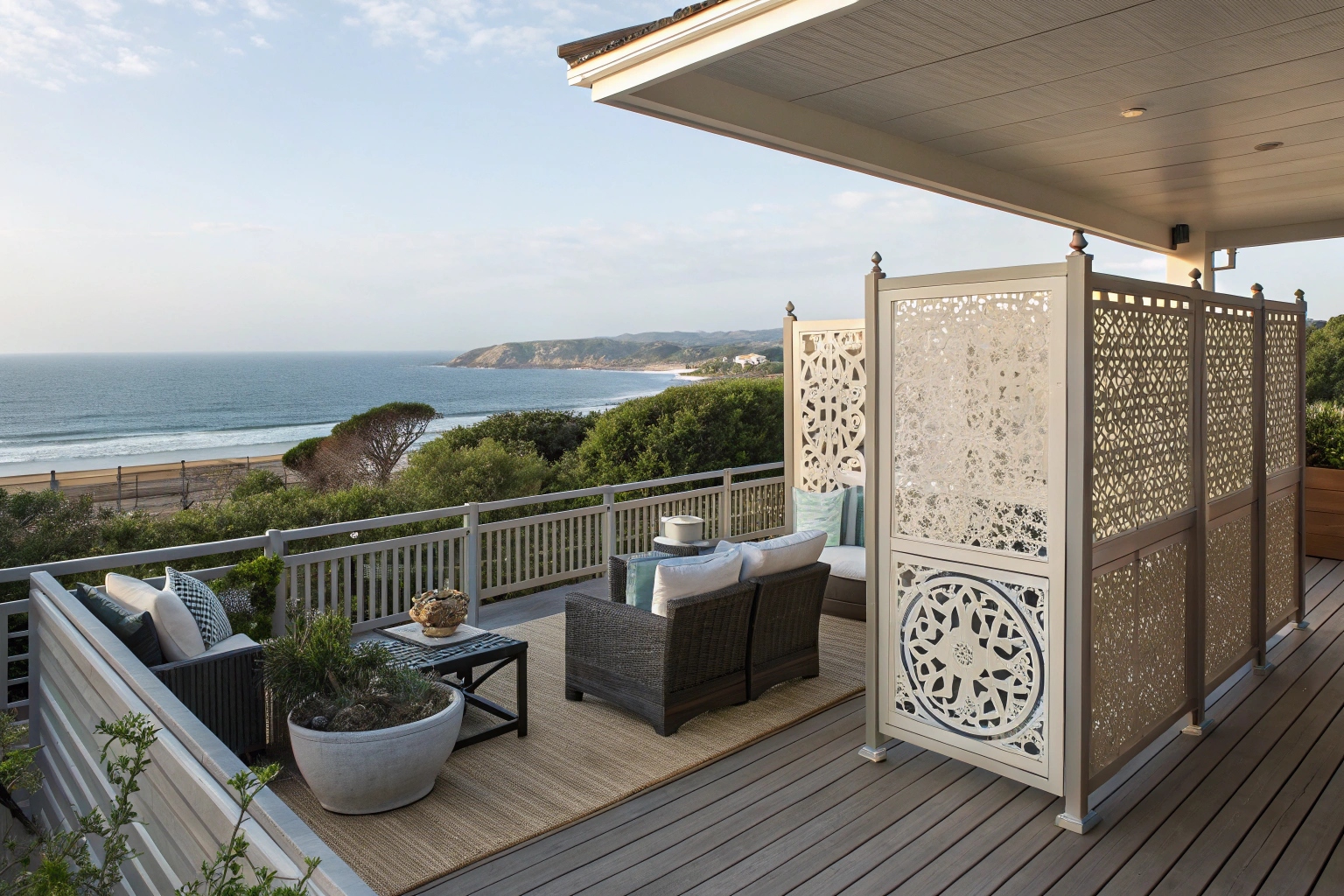
On any elevated deck, balustrades are a structural and regulatory requirement before they are a design decision. Australian building standards set clear requirements for balustrade height, spacing, and load capacity on decks above a specified height — and on the sloped blocks common across Cooroy and the Noosa Hinterland, those thresholds are reached frequently. Compliance is non-negotiable, and the balustrade system needs to be engineered accordingly from the outset.
Within those requirements, the choice of balustrade style has a significant impact on how the finished deck looks and feels. Timber framing with horizontal or vertical rails suits the natural character of hinterland properties and integrates well with hardwood decking surfaces. Glass panel balustrades preserve sightlines across elevated positions, making them a practical choice where views are a primary reason for building at height in the first place.
Steel and aluminium systems offer durability with lower maintenance demands, particularly where the structure is exposed to weather on an open hinterland block. The right choice balances compliance, aesthetics, and long-term performance for the specific site.
Subframe and Footing Work on Sloped Cooroy Blocks
The quality of any elevated deck is determined below the decking surface, not above it. On sloped Cooroy blocks, the subframe and footing system carries the full structural load of the platform and everything on it — and the steeper the gradient, the more demanding those requirements become. Footing depth, concrete specification, and post sizing are all determined by site conditions, and getting these details right at the start prevents movement, settlement, and structural failure down the track.
Bearer and joist sizing across a sloped subframe must account for varying post heights and the lateral forces that come with elevation. Bracing is a critical component of taller structures, keeping the frame stable under load and over time as the surrounding ground shifts with seasonal moisture changes common across the Noosa Hinterland.
A properly engineered subframe is invisible once the deck boards are laid, but it is the single most important factor in how a structure performs across its lifespan.
Sustainable Timber Choices for Hinterland Builds
Timber selection for a Cooroy decking project carries more weight than aesthetics alone. In a hinterland setting, the material needs to perform across a climate that delivers high humidity, heavy seasonal rainfall, and intense UV exposure — conditions that expose the difference between a considered timber choice and one made purely on appearance or upfront cost.
Hardwood species commonly used across Noosa Hinterland builds include:
- Spotted Gum — high density, natural slip resistance, and strong durability ratings for outdoor exposure
- Blackbutt — stable under moisture variation, fire-resistant, and well-suited to elevated structures in bush-adjacent settings
- Ironbark — one of the hardest domestic timbers available, with exceptional resistance to weathering and insect activity
- Tallowwood — a naturally oily hardwood that performs well in humid subtropical conditions without heavy maintenance demands
Beyond species selection, sustainably sourced timber certified through recognised forestry programmes ensures the material meets both performance and environmental standards. For hinterland properties where the surrounding landscape is part of the appeal, responsible sourcing is a consideration that aligns with how many Cooroy homeowners approach their builds.
Deck Repairs and Replacements Across the Noosa Hinterland
Existing decks across the Noosa Hinterland take a consistent beating from the region’s climate — seasonal moisture, UV exposure, and the movement that comes with elevated structures on sloped ground all contribute to deterioration over time. Boards split, fixings corrode, and subframe timber softens in ways that aren’t always visible from the surface until the structure is properly inspected.
Deck repair work across Cooroy and the surrounding hinterland ranges from targeted board replacements and upgrades to full subframe assessments where the decking surface has masked deeper structural issues. In many cases, a thorough inspection reveals whether selective repairs will restore safe function or whether a full deck replacement is the more practical long-term decision.
Older structures built before the current Australian Standards were introduced frequently fall short of contemporary compliance requirements. A replacement project presents the opportunity to bring the structure up to code while delivering an outdoor space built for the next several decades.
Toggle title
Toggle content goes here, click edit button to change this text.
Frequently Asked Questions — Decking
Do I need council approval for a deck in Cooroy?
Most decks in Cooroy require a building approval through Noosa Council. Requirements depend on platform height, size, and proximity to boundaries. A licensed deck builder can assess your specific site and advise on the correct approval pathway before work begins.
How do elevated decks perform on sloped Cooroy blocks?
Elevated decks are well-suited to Cooroy’s sloped terrain when engineered correctly. Proper footing depth, bearer sizing, and bracing ensure the structure performs safely over time. An on-site assessment establishes exactly what the gradient requires before design and construction begin.
What timber species suit the Noosa Hinterland climate?
Spotted Gum, Blackbutt, Ironbark, and Tallowwood are all strong performers in the Noosa Hinterland’s humid subtropical conditions. Each offers high durability ratings, natural resistance to moisture and insect activity, and the aesthetic warmth that suits hinterland properties.
How long does a decking project in Cooroy typically take?
Project timelines vary depending on size, site complexity, and whether building approval is required. A straightforward residential deck generally takes one to two weeks on-site once approvals are in place and materials are scheduled for delivery.
Can a deck be built on a steep acreage block?
Steep blocks are buildable with the right subframe engineering. Post heights, bracing, and footing specifications are adjusted to suit the gradient. Many of the most functional and visually impressive decks across the Noosa Hinterland are built on exactly these kinds of challenging sites.
What balustrade options are available for elevated Cooroy decks?
Timber, glass, steel, and aluminium balustrade systems are all available. The right choice depends on compliance requirements, the deck’s height above ground, and the aesthetic character of the property. All systems must meet current Australian Standards for load capacity and spacing.
