

Outdoor Living Spaces That Suit the Noosa Lifestyle
Noosa Heads has long set the standard for outdoor living on the Sunshine Coast. The combination of a subtropical climate, natural bush surrounds, and a community that genuinely prioritises time spent outside creates demand for outdoor living spaces that go well beyond a basic timber platform. Homeowners here expect their decks to function as true extensions of the home — designed with the same attention to detail applied to the interior spaces they connect with.
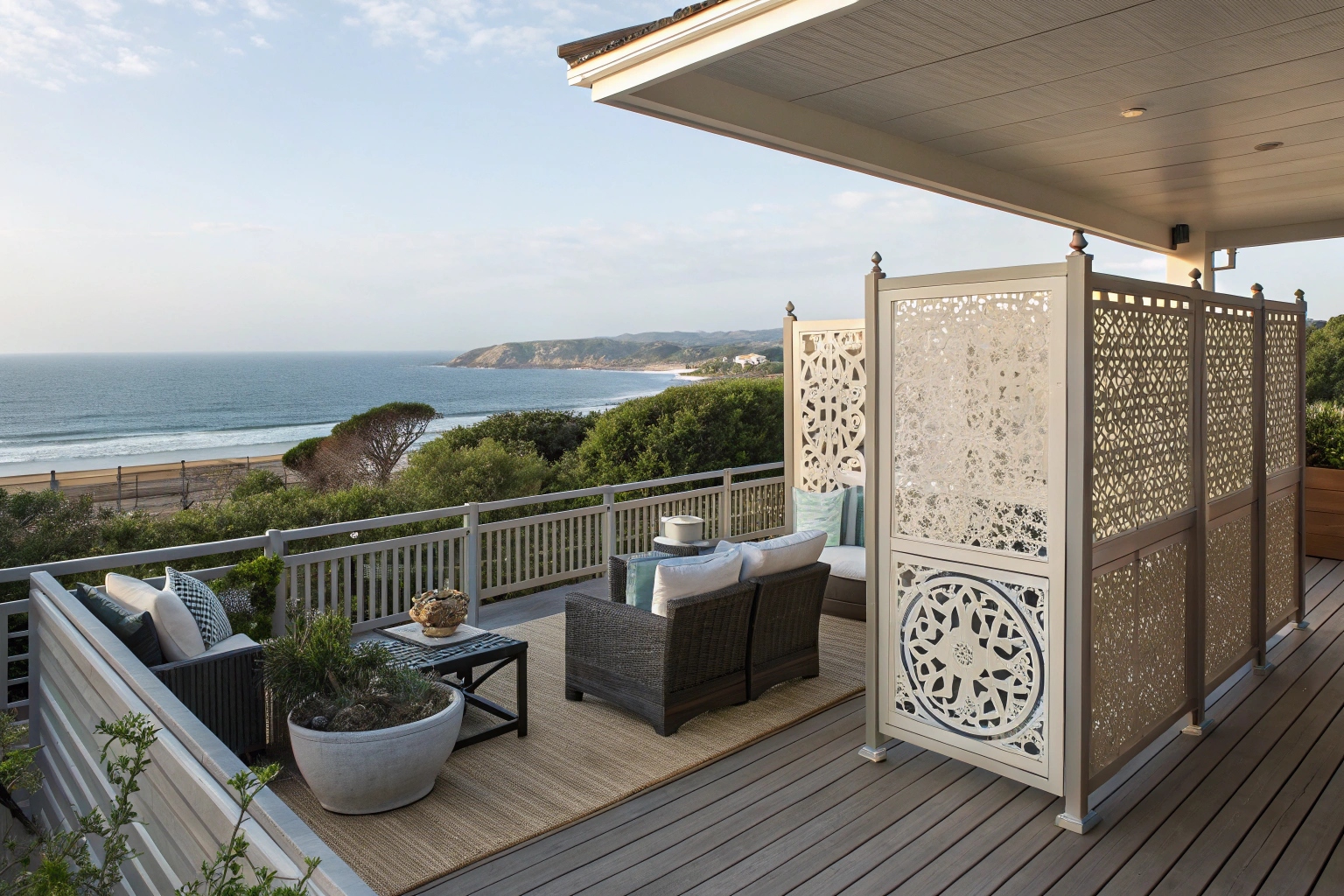
Entertainer’s decks, alfresco dining areas, and multi-zone outdoor rooms are the formats that define Noosa Heads projects. Homeowners invest in spaces configured for year-round use — incorporating built-in seating, outdoor kitchen integration, shade structures, and lighting systems that extend the usability of the deck well into the evening. These are spaces built around how Noosa people actually live, not simply how a yard happens to be shaped.
The proximity to Noosa National Park and the area’s architectural character mean deck design here demands a considered approach — materials, finishes, and proportions that complement the natural setting rather than compete with it. That balance between built environment and natural landscape is what distinguishes a genuinely well-designed Noosa Heads outdoor space.

Decking Materials Built for Noosa’s Coastal Conditions
Noosa Heads sits at the intersection of coastal salt air, intense subtropical UV, and the humidity cycles that come with living beside one of Queensland’s most celebrated natural environments. These conditions place significant stress on outdoor timber structures — accelerating surface degradation, promoting moisture ingress, and creating the conditions where timber rot and structural failure develop faster than homeowners typically expect. Material selection is the single most consequential decision in any Noosa decking project.
Composite decking has become the dominant choice for Noosa Heads properties exposed to direct coastal conditions. Engineered from a combination of recycled timber fibre and polymer, composite boards resist moisture absorption, require no sealing or oiling, and retain their appearance across years of UV exposure without the maintenance burden that natural timber demands.
Where homeowners prefer the character and warmth of natural wood, hardwood timber species such as Merbau, Spotted Gum, and Blackbutt remain strong performers in coastal Queensland. Properly installed and maintained, these species offer the dimensional stability and natural oil content that holds u
Decking services in Noosaville
Elevated and Multi-Level Deck Construction
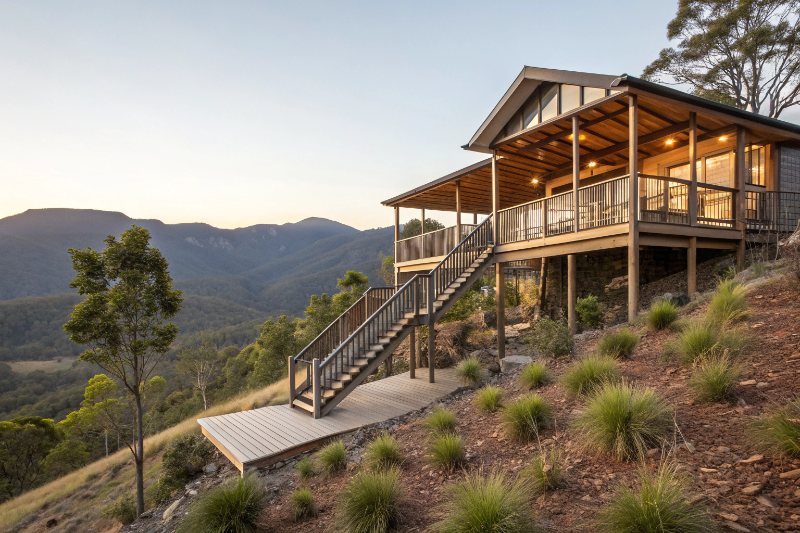
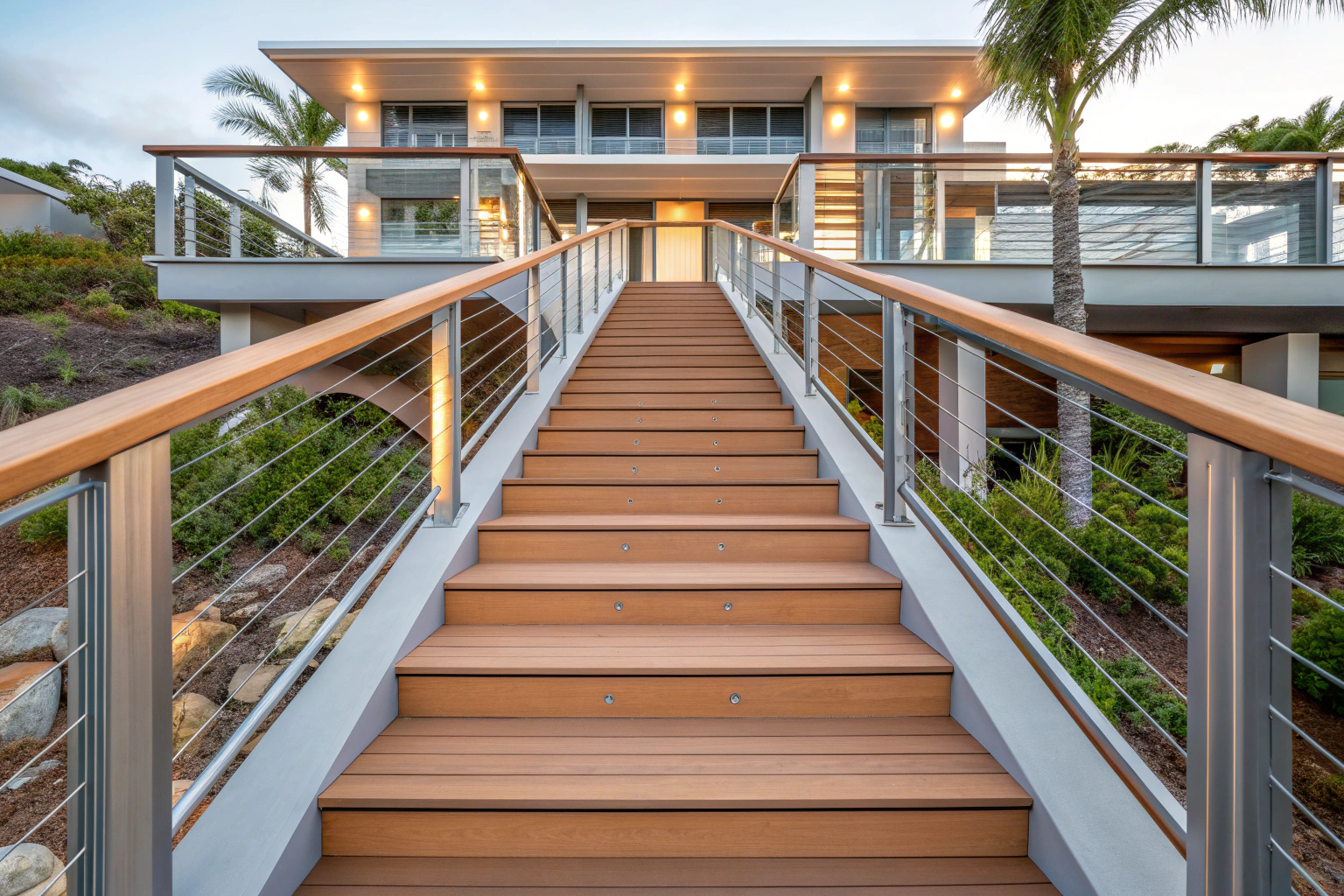
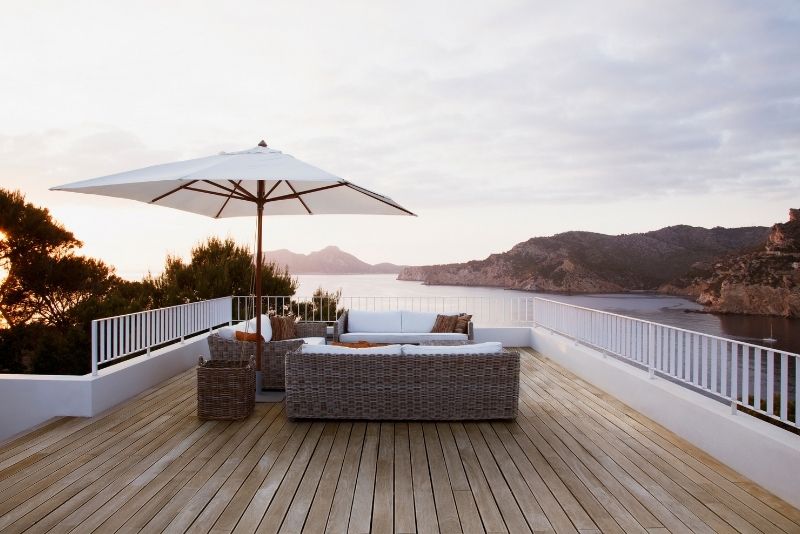
Elevated and multi-level deck construction is a defining feature of Noosa Heads projects. The suburb’s characteristically sloping blocks, elevated outlooks, and split-level home designs create both the challenge and the opportunity that multi-level decking addresses directly. Where a flat yard might accommodate a straightforward platform, a sloping Noosa Heads block often yields a far more compelling result — tiered entertaining zones, staircase connections between levels, and elevated positions that capture views across the bush canopy or surrounding rooflines.
Structural integrity is the primary consideration at height. Our builders engineer every elevated deck to meet the load-bearing requirements and balustrade standards mandated under the Queensland Development Code — ensuring the finished structure performs safely regardless of how high above natural ground level the deck sits.

Building Code Compliance for Noosa Heads Decks
Building code compliance is a non-negotiable component of any deck construction project in Noosa Heads. Sunshine Coast Council applies Queensland Development Code requirements across all residential decking work — covering structural design, floor height thresholds, setback distances, and the point at which a building approval becomes mandatory. Navigating these requirements without professional guidance routinely leads to delays, costly amendments, and structures that cannot be legally certified.
Deck height is one of the most common compliance triggers for Noosa Heads properties. Elevated blocks and split-level homes frequently push deck floor levels beyond the thresholds that require full building certification, engineering documentation, and council lodgement. Understanding where these thresholds apply before construction begins is essential to keeping a project on schedule and within budget.
Our deck builders manage the compliance process from initial assessment through to certification — ensuring structural designs meet Australian Standards, documentation is correctly prepared, and every installation is completed to a standard that protects homeowners, their families, and the long-term value of the property.
Balustrades, Stairs and Finishing Details
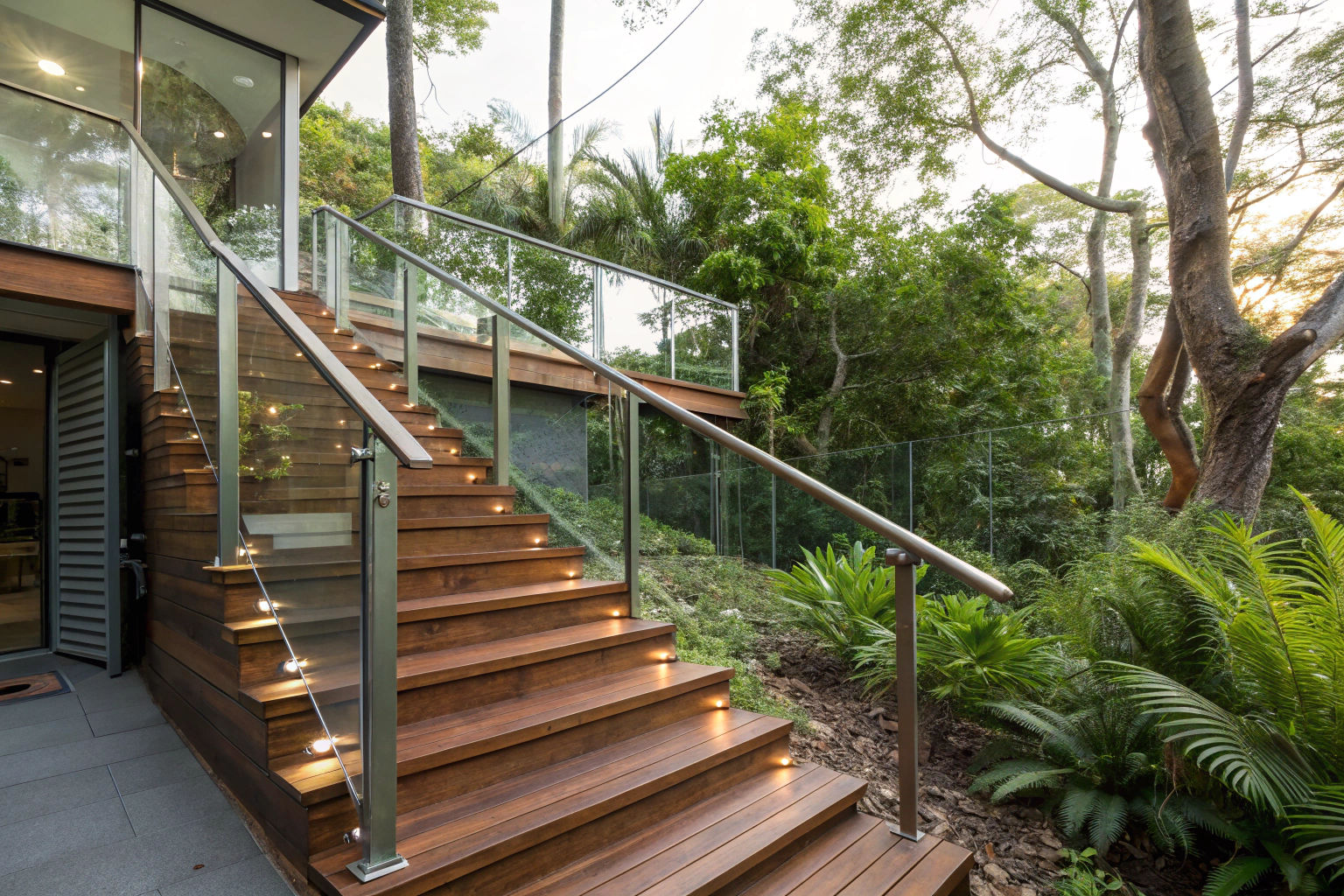
Balustrades, stairs, and finishing details are where a Noosa Heads deck transitions from functional structure to a considered outdoor living space. These elements carry significant weight in the overall appearance of a finished project — and in a market where property presentation and design quality matter as much as they do in Noosa, the standard of finish applied to these details is visible in the final result.
Glass balustrades remain a popular choice for elevated Noosa Heads decks — preserving sightlines across bush surrounds and maintaining the connection to the natural landscape that defines the area. Stainless steel cable systems and hardwood timber balustrades offer alternatives that complement a range of architectural styles, from contemporary coastal builds to more traditional Queensland home designs.
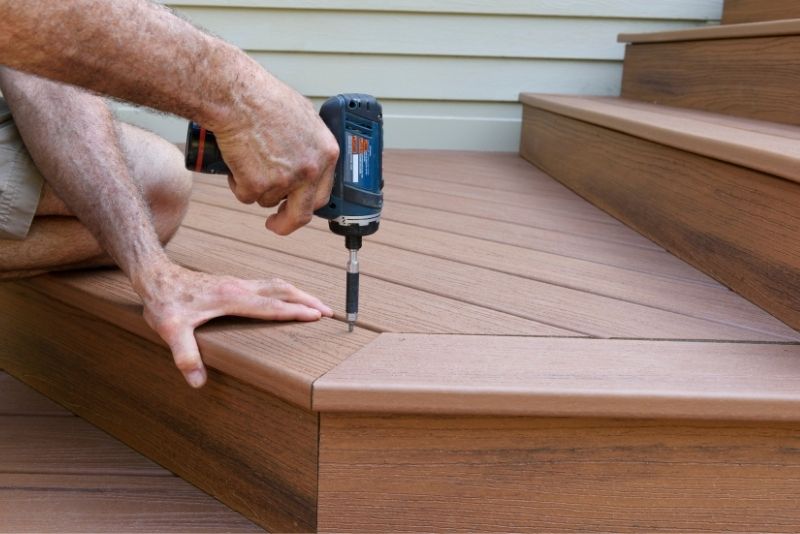
Stair configuration, newel post detailing, deck board orientation, and fascia finishing all contribute to the cohesion of the completed structure. Our builders apply the same construction standards to every finishing element as to the primary deck frame — ensuring the result holds up structurally and visually across years of coastal conditions.
Decking Near Noosa National Park — Environmental Considerations
Noosa National Park forms one of the most significant natural boundaries in the region — and for homeowners whose properties back onto or sit adjacent to the park, deck construction carries environmental responsibilities that extend beyond standard building code compliance. Vegetation protection orders, wildlife corridor considerations, and site clearing restrictions apply across a range of Noosa Heads properties and must be assessed before any construction activity begins.
Material selection takes on additional significance in park-adjacent locations. Composite decking systems manufactured from recycled content, FSC-certified hardwood timber, and low-VOC finishing products are the appropriate choices for projects where the surrounding natural environment is a primary consideration. These materials perform well in the conditions while aligning with the environmental values that define the Noosa community.
Stormwater management and soil disturbance minimisation during the construction phase are equally important factors for properties bordering the national park boundary. Our builders approach every park-adjacent project with construction practices designed to protect the surrounding landscape — ensuring the finished deck enhances the property without compromising the natural setting it sits within.
Deck Maintenance in a Subtropical Coastal Climate
Deck maintenance in Noosa Heads is shaped by conditions that accelerate surface wear faster than most homeowners anticipate. Salt air, UV intensity, seasonal humidity, and the moisture fluctuations that accompany subtropical coastal living all place continuous stress on outdoor timber structures — making a consistent maintenance programme the difference between a deck that ages well and one that deteriorates ahead of its expected lifespan.
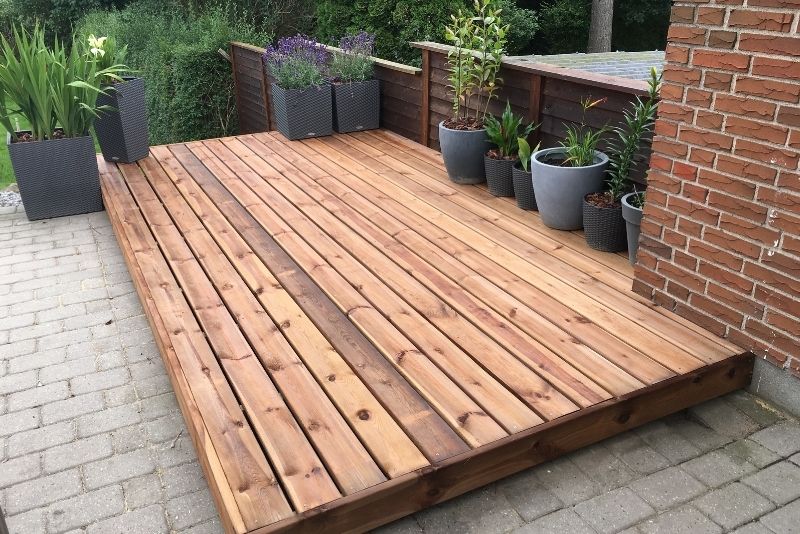
Hardwood timber decks require periodic oiling and re-sealing to maintain surface protection and prevent moisture ingress at board joints and end grain. The frequency depends on the deck’s sun and weather exposure, but annual inspection and treatment is the baseline standard for Noosa’s coastal conditions.
Composite decking significantly reduces the maintenance burden — requiring periodic cleaning rather than chemical treatment. However, salt residue accumulation and organic matter build-up in board grooves still warrant regular attention to preserve both appearance and drainage performance across the deck surface.
Toggle title
Toggle content goes here, click edit button to change this text.
Frequently Asked Questions — Decking Noosa Heads
Do I need council approval for a deck in Noosa Heads?
Building approval requirements depend on deck height, size, and proximity to site boundaries. Decks that exceed specific floor height thresholds under the Queensland Development Code require formal building certification. Our team assesses compliance requirements before any construction work begins.
What decking materials perform best in Noosa's coastal conditions?
Composite decking and hardwood timber species such as Merbau and Spotted Gum are the strongest performers in Noosa’s salt air and UV environment. Composite systems require minimal maintenance while quality hardwood, properly treated, offers natural character and long-term durability.
How long does a deck installation take in Noosa Heads?
Project timelines vary based on deck size, complexity, and whether building approval is required. Straightforward installations typically complete within one to two weeks. Projects requiring certification and engineering documentation allow additional time for the approval process prior to construction commencing.
What balustrade options are available for Noosa Heads decks?
Glass balustrades, stainless steel cable systems, and hardwood timber balustrades are all available. Glass is particularly popular in Noosa Heads for its ability to preserve bush and outlook views while meeting the balustrade height requirements mandated under Queensland building standards.
Can a deck be built on a sloping block near the river?
Sloping blocks are well-suited to multi-level deck construction. The elevation change can be used to create distinct outdoor zones at different heights, with engineered post and bearer systems designed to handle the site’s specific gradient and soil conditions.
What is the difference between timber and composite decking for a waterfront home?
Timber requires regular oiling or staining to maintain its appearance and resist moisture in a waterfront environment. Composite decking requires minimal ongoing maintenance and resists fading and moisture ingress effectively. Both are viable options depending on how much maintenance a homeowner wants to commit to.
