
Handrail and Balustrade Installation
Safety isn’t negotiable when you’re dealing with elevated spaces. We’ve seen too many properties with handrails that look fine but wouldn’t hold up a teenager leaning against them, let alone meet the 1.5kN load requirement that Australian standards demand.
Our Handrail Services Include:
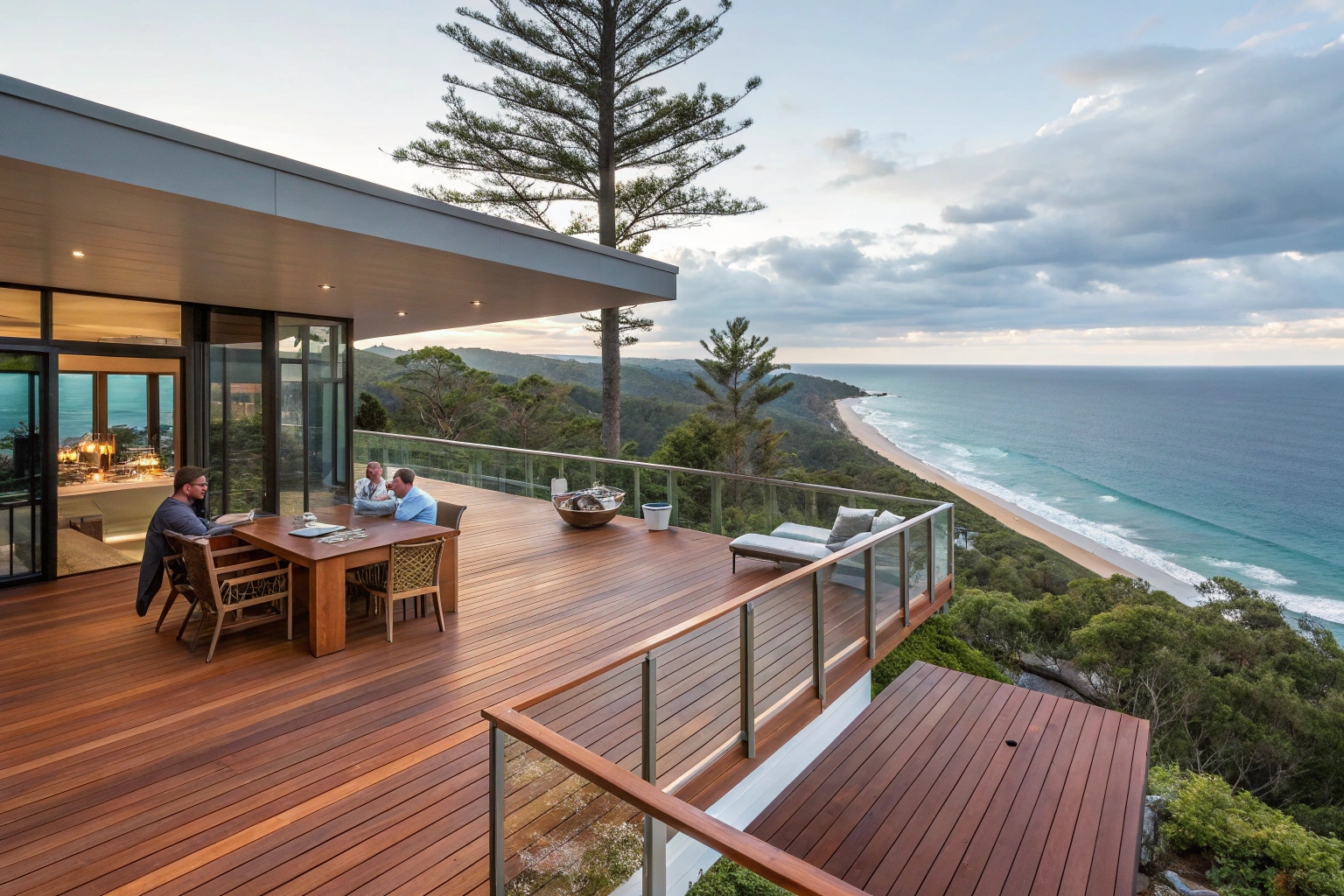
• Deck and balcony balustrade installation
• Stairway handrail systems
• Verandah safety rails
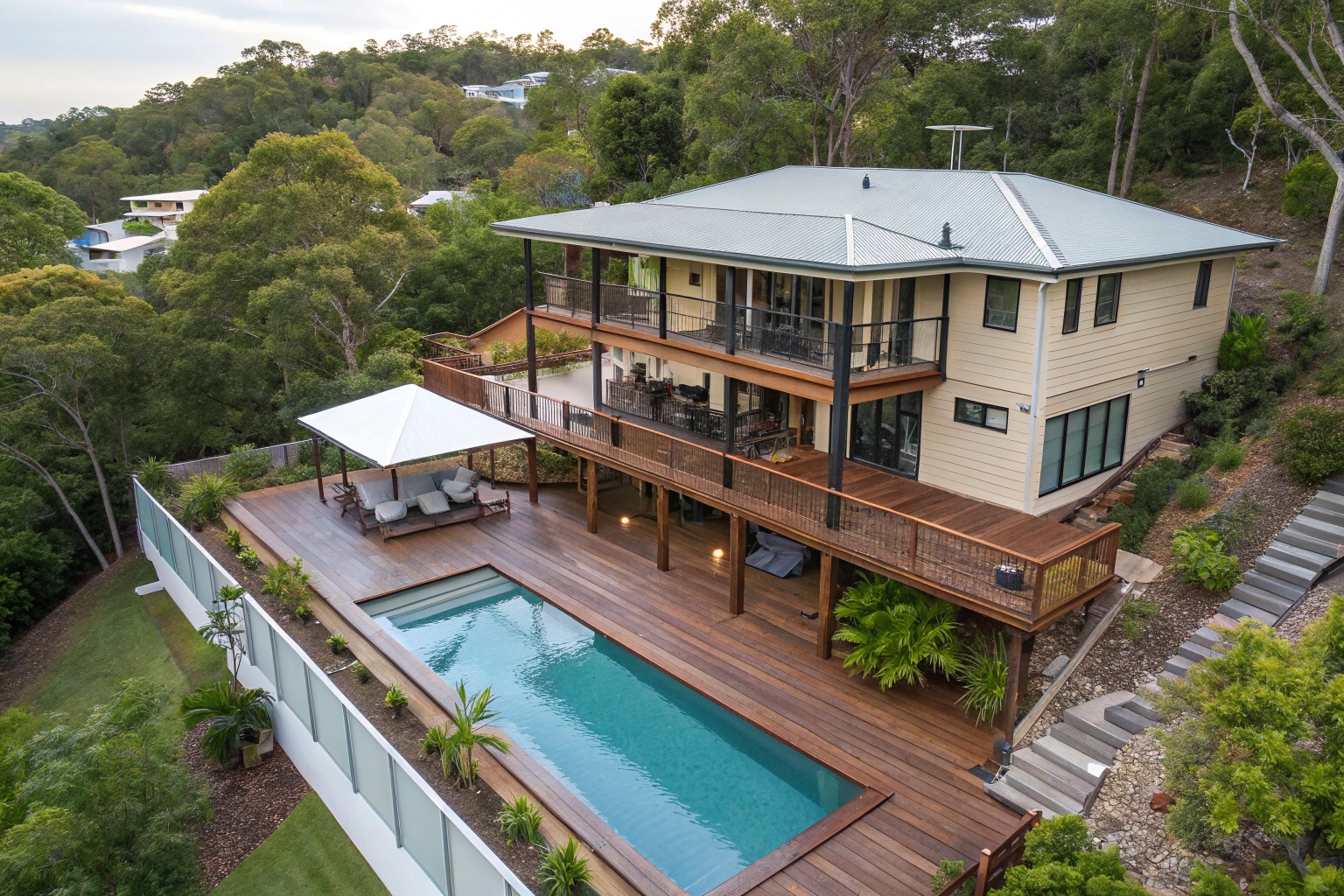
• Pool deck barriers
• Replacement of non-compliant railings
The tricky part isn’t just building a handrail – it’s building one that passes inspection, survives coastal weather, and actually looks good with your home. In Mooloolaba, we recently replaced balustrades on a 1980s property where the old rails had rotted from the inside out. The owners had no idea until we showed them the soft timber that was barely holding together.
Material Selection Matters
Not all timber works on the Sunshine Coast. Spotted Gum and Blackbutt handle the humidity and salt air better than most species. Treated pine works for certain applications if it’s installed correctly. We’ll walk you through the options based on your budget and how long you plan to stay in the property.
The spacing between balustrade posts can’t exceed 125mm – that’s the sphere rule that stops kids from getting their heads stuck. Height minimums are 1000mm for balconies and 865mm for stairs. These aren’t suggestions, they’re legal requirements that protect your family and your liability.


Timber Screening and Privacy Solutions
Your neighbour’s deck looks straight into your living room. Every time you walk outside, you’re on display. That’s the reality for half the properties we work on across the Sunshine Coast, especially in the newer estates around Kawana and Sippy Downs where houses sit close together.
Privacy screening fixes this without turning your outdoor space into a cave. The difference between good screening and bad screening is airflow. We’ve torn out plenty of solid walls that created wind tunnels or blocked every breeze on a 35-degree day.
Privacy Solutions We Build:
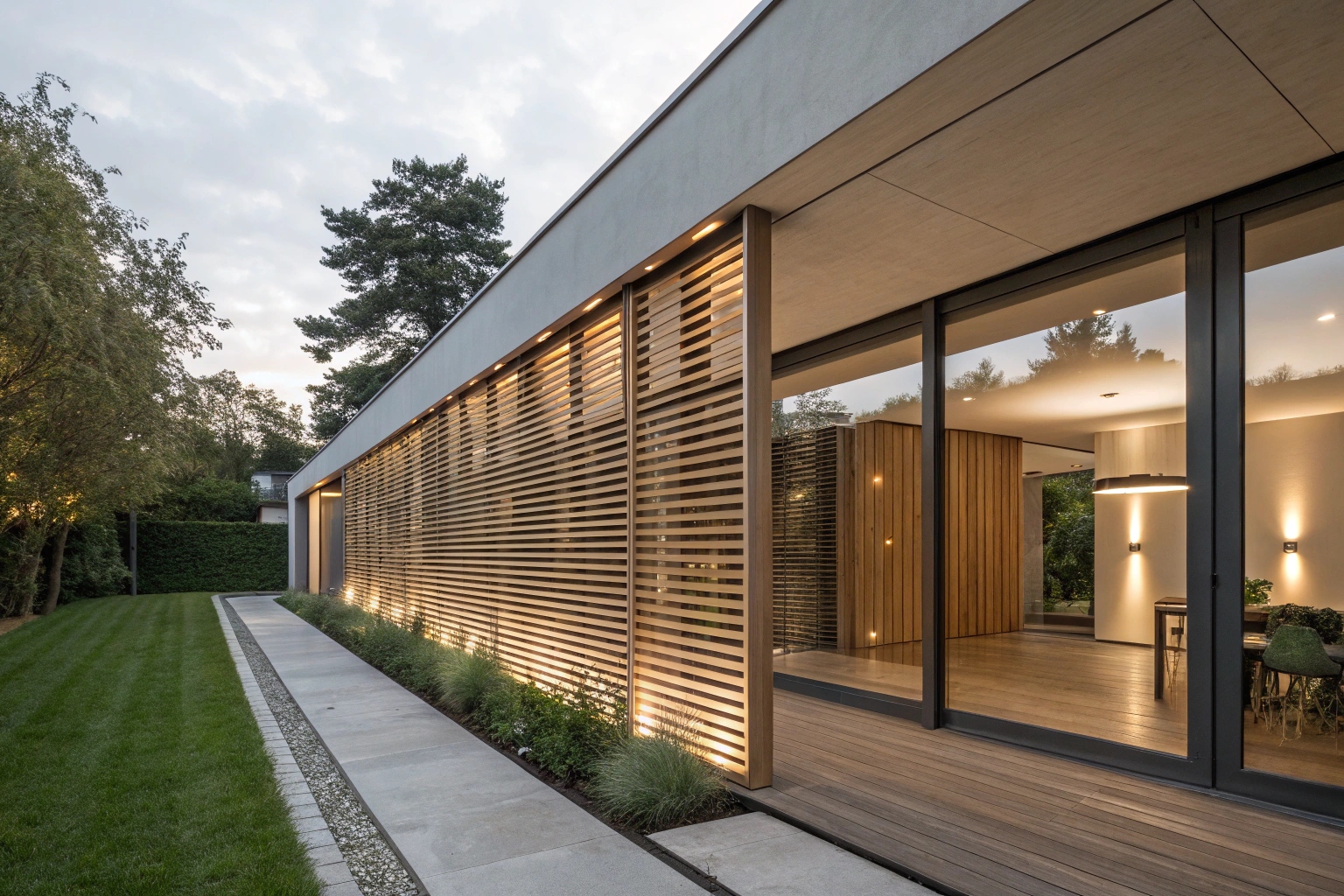
• Vertical slat screens with custom spacing
• Horizontal panel designs for modern homes
• Lattice screening for partial privacy
• Louvre-style screens for adjustable airflow
• Fence-top extensions for boundary privacy
Design That Actually Works
In Noosa last year, we installed screening that blocks the neighbour’s view but lets the ocean breeze through. The secret is spacing the slats at angles that create privacy from sitting height while allowing air movement. Sounds simple, but get the angles wrong and you’ve wasted your money.
Some clients want full privacy, others just need enough screening to feel comfortable in their backyard. We measure the sight lines from neighbouring properties and design around your actual privacy needs, not some generic solution.
The timber species matters here too. You need something that won’t warp in humidity or split under UV exposure. We typically recommend hardwoods with natural oils that resist moisture while maintaining their shape over time.

Our Carpentry Process - Consultation to Completion
We don’t quote over the phone based on vague descriptions. Every property is different, and assumptions cost you money when reality doesn’t match the estimate. Our process starts with seeing your space in person and understanding what you actually need.
Step 1: Site Assessment We measure the area, check existing structures for compliance issues, and assess the timber condition if we’re doing repairs. This takes about 30 minutes for most residential jobs. We’ll identify any problems that need addressing before new work begins.
Step 2: Design and Quote You’ll get a detailed quote that breaks down materials, labour, and timeframes. We’ll show you timber samples and discuss finish options. If council approval is required, we include that timeline in the project schedule.
Step 3: Material Sourcing We work with local Sunshine Coast timber suppliers who stock quality hardwoods. Ordering materials takes a few days, sometimes longer for specialty items or custom milling. We schedule the work after materials arrive to avoid delays.
Step 4: Installation Most handrail installations take 2-3 days depending on complexity. Screening projects vary based on size and design. We clean up daily and leave your property tidy at the end of each workday.
Step 5: Final Inspection We walk through the completed work with you and address any concerns. If council inspection is required, we coordinate that and handle any minor adjustments the inspector requests.
Communication matters during construction. We’ll update you on progress and flag any unexpected issues before making changes that affect cost or timeline.
Why Sunshine Coast Properties Need Specialised Carpentry
The Sunshine Coast isn’t Brisbane. The weather here destroys carpentry work faster than most homeowners expect. That deck that looked perfect three years ago now has soft spots in the timber and railings that wobble when you lean on them.
Salt air accelerates corrosion on metal fixings and pulls moisture into timber grain. Humidity creates perfect conditions for rot in joints where water collects. UV exposure bleaches and degrades timber surfaces faster here than inland areas. Your carpentry work needs to account for all of this from day one.
Coastal Weather Challenges
We’ve replaced handrails in Mooloolaba that were only five years old because someone used the wrong timber species and cheap galvanised fixings. The posts rotted at ground level where moisture pooled, and the brackets corroded until they barely held the rails.
Properties close to the beach cop the worst of it. Salt spray reaches several kilometres inland depending on wind patterns. Even in Buderim and Palmwoods, you’re dealing with higher humidity than most of Queensland.
Architectural Compatibility
Queenslander homes need different carpentry approaches than modern coastal builds. Heritage properties in older parts of Caloundra and Nambour require restoration techniques that match original construction methods. New estates around Aura and Palmview follow contemporary design language.
We adapt our work to suit your home’s style. A traditional balustrade design looks wrong on a minimalist home, and modern horizontal screening clashes with heritage architecture. Getting this match right affects your property value more than most people realise.
Frequently Asked Questions
Depends entirely on the timber species and maintenance. Spotted Gum and Blackbutt handrails last 20+ years with proper care. Treated pine might give you 10-15 years if it’s sealed regularly. Softwoods without treatment can fail in under 5 years in coastal conditions. We recommend hardwoods for any structure that’s safety-critical.
Not always. If you’re replacing existing handrails with the same design and dimensions, it’s usually exempt. Adding new handrails, changing heights, or modifying deck structures typically requires approval. We check your specific situation during the site assessment and handle the paperwork if permits are needed.
Spotted Gum and Blackbutt cost about 40% more than treated pine, but they last twice as long and need less maintenance. For a standard deck balustrade, you’re looking at maybe $800-1200 difference in material costs. Over the life of the installation, hardwoods work out cheaper because you’re not replacing or repairing them as often.
Yes, that’s part of what we do. Matching grain patterns, joint styles, and finishes on heritage properties requires different techniques than new construction. We’ve restored handrails on Queenslanders where we had to mill custom profiles to match the original design from the 1920s.
That depends on the design you choose. Vertical slats at 20mm spacing give about 80% privacy from eye level while sitting. Tighter spacing increases privacy but reduces airflow. We calculate sight lines from neighbouring properties during the assessment so you know exactly what you’re getting.

Get Your Free Carpentry Consultation
Most carpentry problems don’t get better with time. That wobbly handrail becomes a safety hazard. The lack of privacy keeps you from enjoying your outdoor space. Waiting for council to force compliance issues costs you more than fixing them proactively.
We offer free site assessments across the Sunshine Coast because every property is different. What works in Noosa might not suit a property in Caloundra. The timber that’s perfect for a beachfront home in Mooloolaba could be overkill for a sheltered backyard in Buderim.
What You Get in Your Consultation:
• Complete site assessment and measurements
• Timber species recommendations for your location
• Compliance check on existing structures
• Design options that suit your home’s style
• Detailed quote with material and labour breakdown
• Project timeline including any approval requirements
No Obligation, No Pressure
The consultation gives you information to make a proper decision. You’ll know what needs doing, what it costs, and how long it takes. If you want to get other quotes after that, no problem. We’d rather you understand what quality carpentry involves than rush into a decision.
Book your free assessment by calling us or filling out the contact form. We typically schedule consultations within 3-5 business days depending on how busy we are. Sites in Noosa, Maroochydore, Caloundra, Kawana, and surrounding areas.
Don’t wait for a council notice or a safety incident to force your hand. Get the information you need to plan your carpentry work properly.
