
Riverside Living Starts with the Right Deck Design
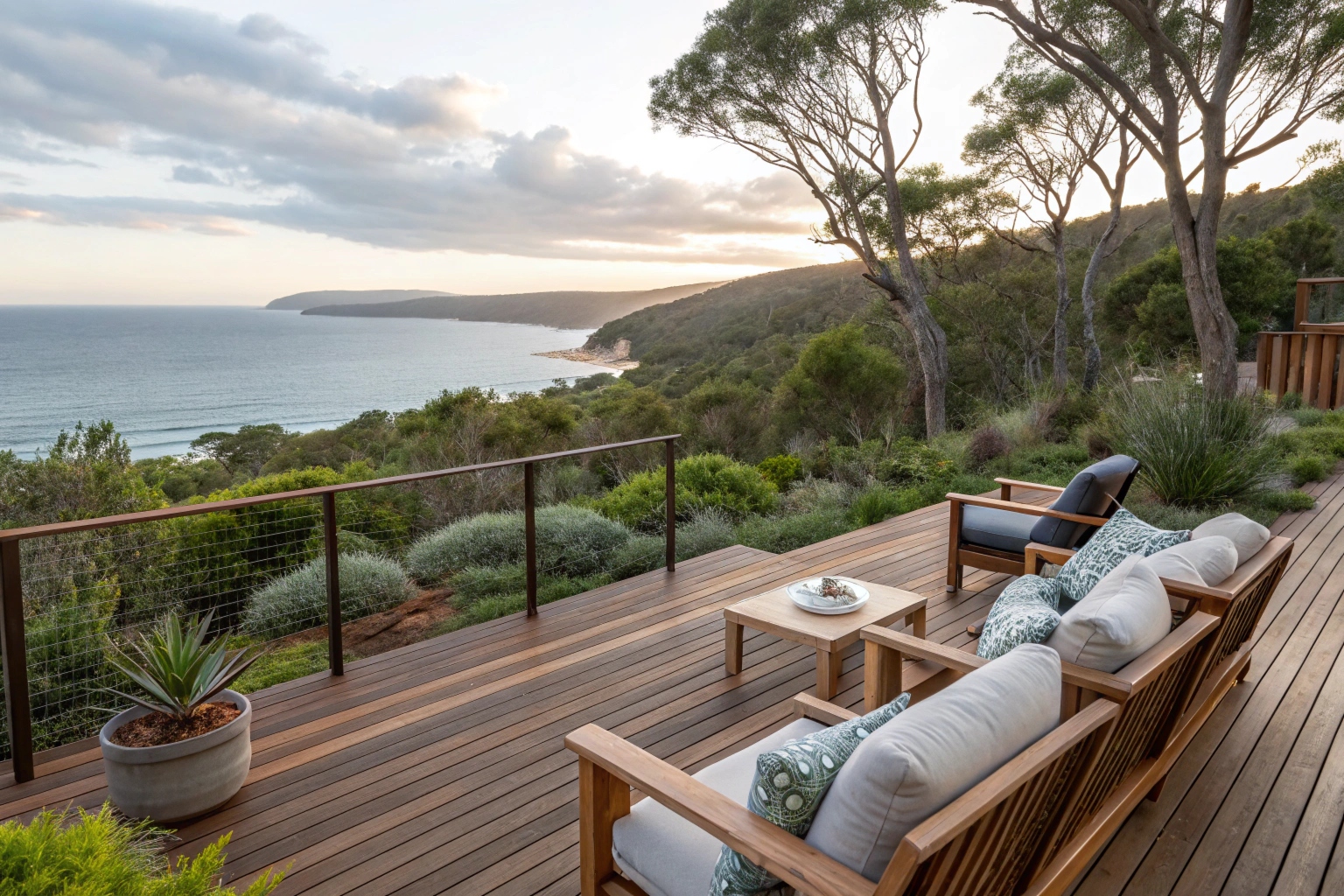
Deck design in Noosaville begins with how a property relates to the water. Whether a home sits on a canal, backs onto the river, or holds an elevated position with sightlines across the Noosa River floodplain, the design process is shaped by that relationship from the first conversation. Orientation, floor level, and the placement of outdoor dining and entertaining zones are all determined by where the view is and how the household moves through the home toward it.
A well-considered deck design accounts for more than aesthetics. The direction of the afternoon sun, the path of prevailing river breezes, the privacy requirements relative to neighbouring properties, and the transition between interior floor levels and the outdoor platform are all resolved before a single material is selected. In Noosaville, these decisions have a direct bearing on how much the finished space is actually used.
Custom deck design at this level produces outdoor spaces that feel intentional rather than incidental. For Noosaville homeowners, that typically means a deck that functions as a true extension of the living area — proportioned for the way the household entertains, positioned to capture the best of the river setting, and detailed to a standard that reflects the character of the suburb itself.

Deck Design and Planning for Noosaville Homes
Deck planning in Noosaville starts with the site itself — the block dimensions, the relationship to the water, the existing floor levels of the home, and how the household intends to use the space. A design brief that accounts for all of these factors produces a structure that integrates with the property rather than sitting alongside it as an afterthought.
The planning process covers structural requirements, material selection, balustrade design, stair placement, and the connection between the deck and the interior living areas. For waterfront and canal-front properties, additional consideration is given to setbacks from the water’s edge, council approval pathways, and the framing approach required to perform in an elevated-humidity environment over the long term.
Noosaville homeowners typically arrive at the planning stage with a clear sense of how they want to live on the finished deck — whether that means a large open entertaining platform, a covered outdoor dining area, or a multi-zone layout that serves different functions across the same structure. Good planning ensures the build delivers exactly that.
Decking services in Noosaville
Multi-Level Decks for Sloping and Elevated Noosaville Blocks
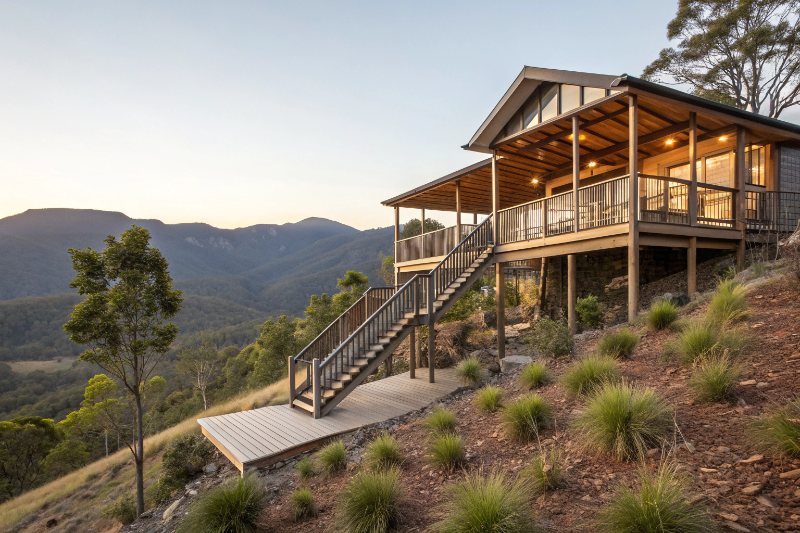
Sloping blocks are common across Noosaville, particularly on streets that rise away from the river and canal network. Rather than treating the gradient as a limitation, multi-level deck construction uses the elevation change to create distinct outdoor zones — an upper-level entertaining platform positioned to capture water views, connected by stairs to a lower terrace or garden area that serves a different function entirely.
Elevated deck structures on these sites require careful attention to post heights, lateral bracing, and the engineering of connections between levels. The finished result, however, produces outdoor spaces with a scale and visual presence that a flat-site deck cannot replicate.
For Noosaville homeowners on elevated or sloping sites, a multi-level design is often the most effective way to unlock the full potential of the block.

Deck Framing and Substructure Built for Waterfront Conditions
The substructure of a Noosaville deck carries every load placed on the finished platform — foot traffic, outdoor furniture, gathered guests, and the accumulated stress of a subtropical climate operating across years of seasonal variation. In a waterfront environment, the framing system is exposed to conditions that accelerate timber decay, promote corrosion in fixings, and place sustained pressure on connections between posts, bearers, and joists.
Deck framing in canal-front and riverside settings requires treated timber grades rated for in-ground and above-ground waterfront exposure, stainless steel or hot-dipped galvanised fixings throughout, and post footings engineered for the soil conditions specific to the site. Cutting corners at the substructure stage produces failures that are expensive to diagnose and disruptive to rectify once the finished deck boards are in place.
A correctly built substructure is invisible once the deck is complete, but it determines everything about how the finished structure performs. For Noosaville homeowners, investing in the framing system from the outset is what separates a deck that holds its integrity for decades from one that begins showing problems within a few seasons of completion.
Decking Finishes, Balustrades, and Outdoor Features
The finishing details of a Noosaville deck are what transform a functional structure into an outdoor space that genuinely reflects the property and the lifestyle of the people using it. Decking board selection, surface finish, and the treatment of edges and transitions all contribute to the overall character of the finished platform — and in a riverside setting, those choices carry additional weight.
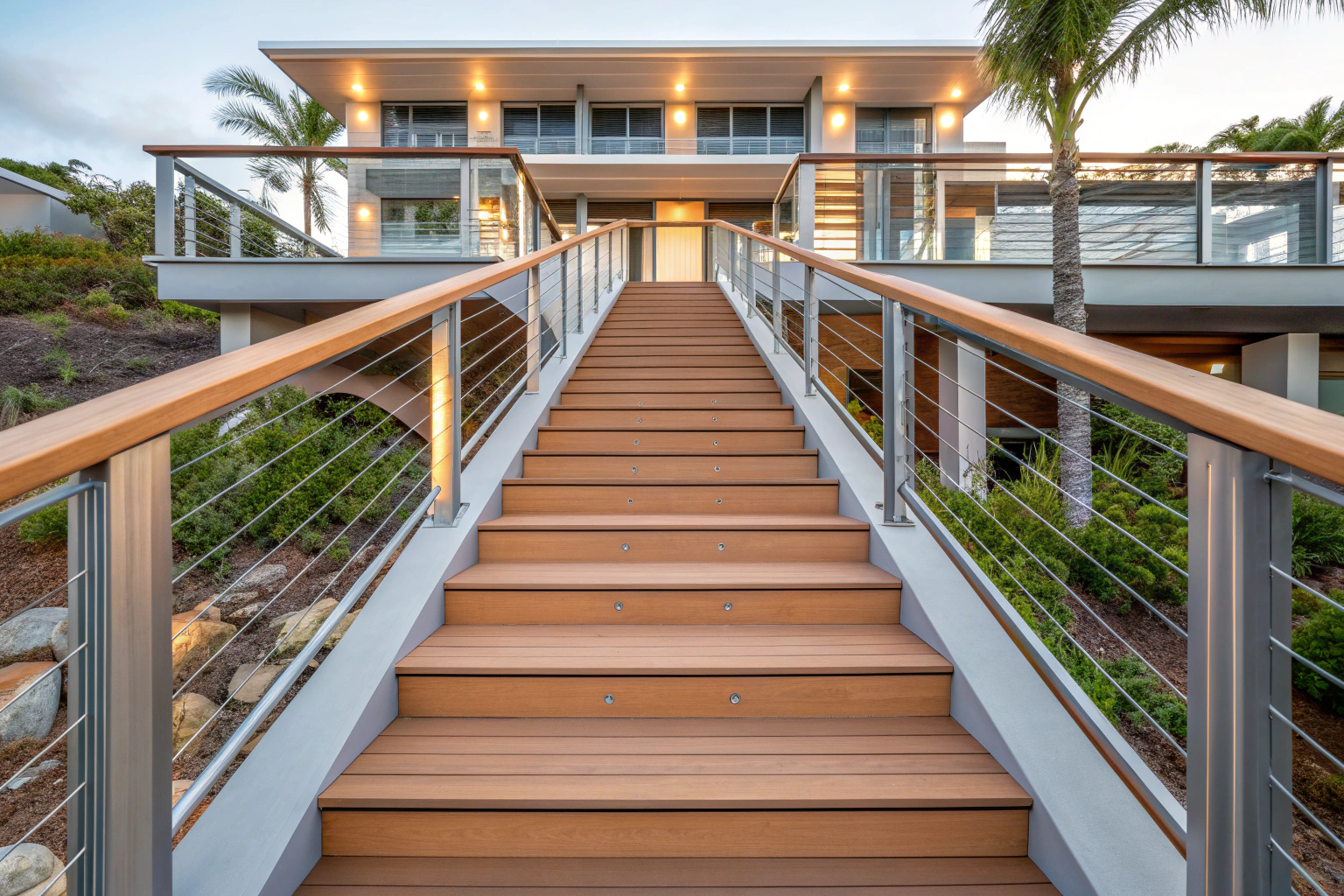
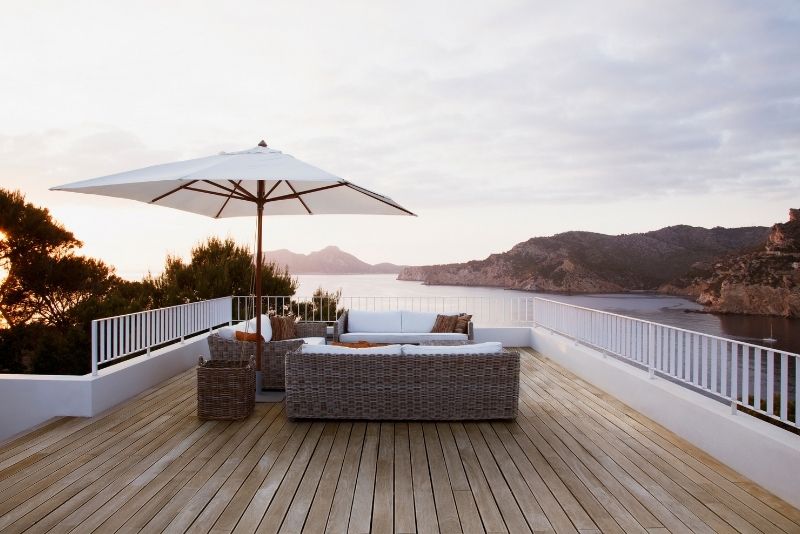
Balustrade design is one of the most visible elements of any elevated deck. Glass panelling preserves sightlines to the water, timber and cable balustrades complement natural material palettes, and aluminium framing provides longevity in humid waterfront conditions. The right system is determined by the deck’s position, the degree of elevation, and the aesthetic direction of the home.
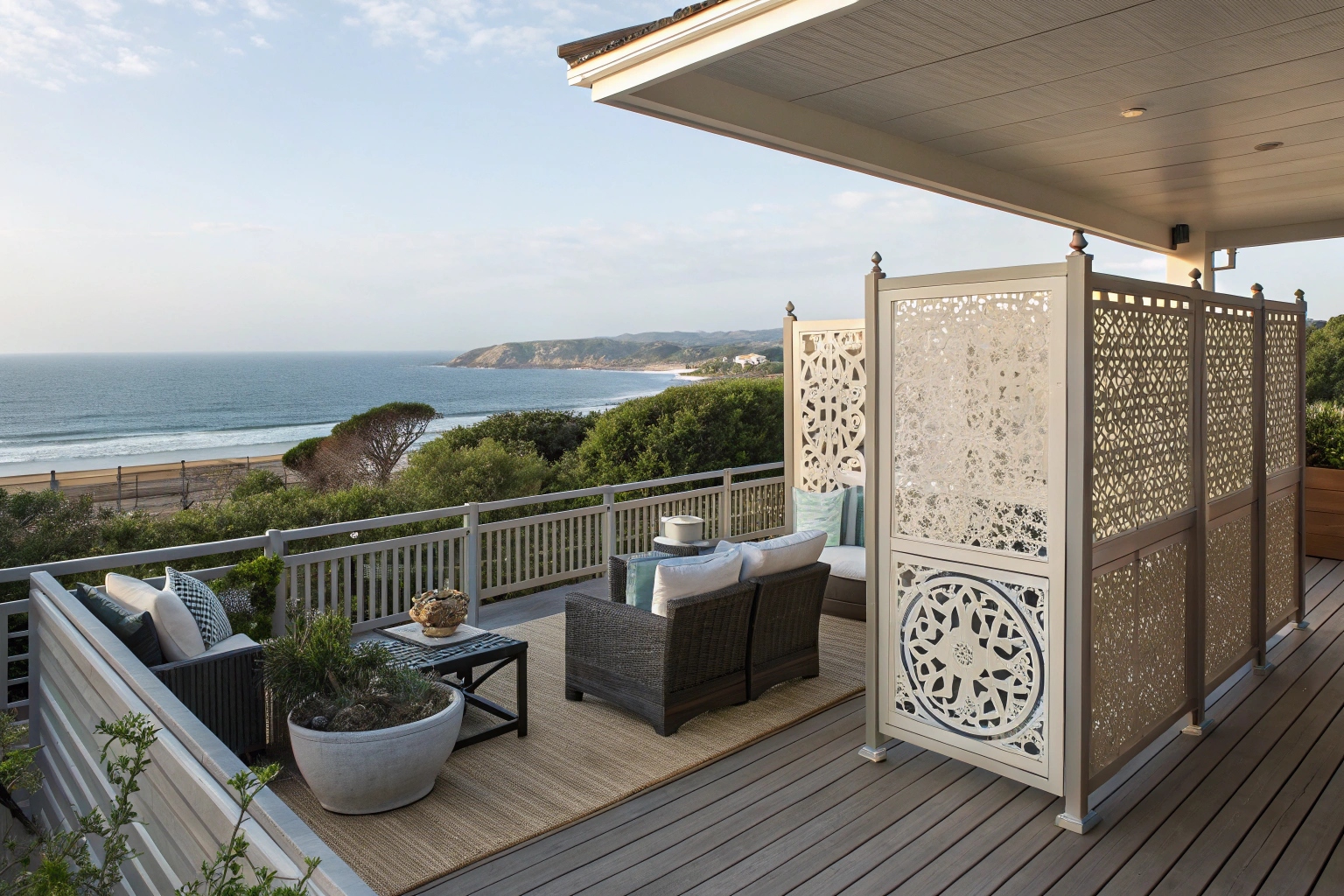
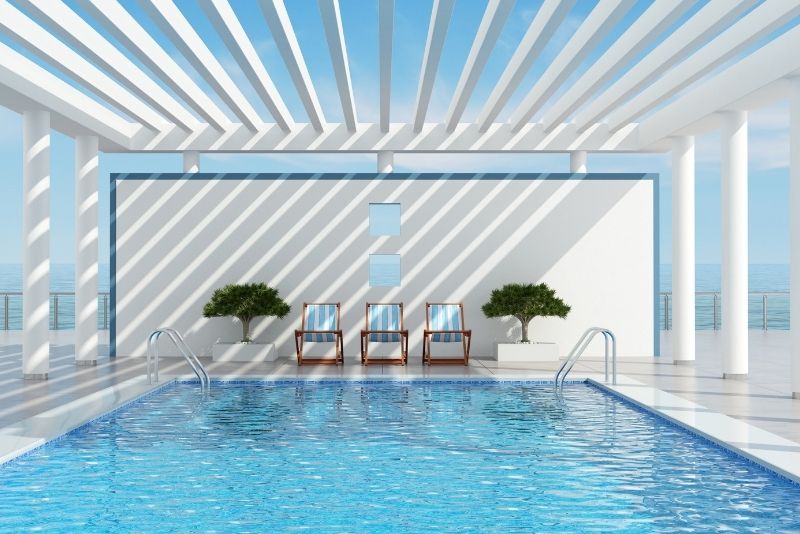
Outdoor features, including built-in seating, pergola structures, privacy screening, and integrated lighting, extend the usability of the deck across different times of day and different seasons. In Noosaville, where outdoor entertaining is a year-round activity, these additions are often planned as part of the original build rather than added later.
Deck Maintenance and Long-Term Performance in Noosaville
Deck maintenance in Noosaville is shaped by the waterfront environment that makes the suburb so appealing. Elevated humidity, salt air moving off the Noosa River, and the intensity of subtropical UV cycles all act on exposed timber and surface finishes in ways that require a consistent maintenance approach to manage effectively over time.
Timber decks in this environment benefit from regular cleaning, periodic re-oiling or re-staining, and inspection of fixings and structural connections where moisture tends to accumulate. Allowing surface treatments to lapse accelerates the weathering process and can allow moisture ingress into the substructure — an outcome that is far more costly to address than the maintenance it replaces.
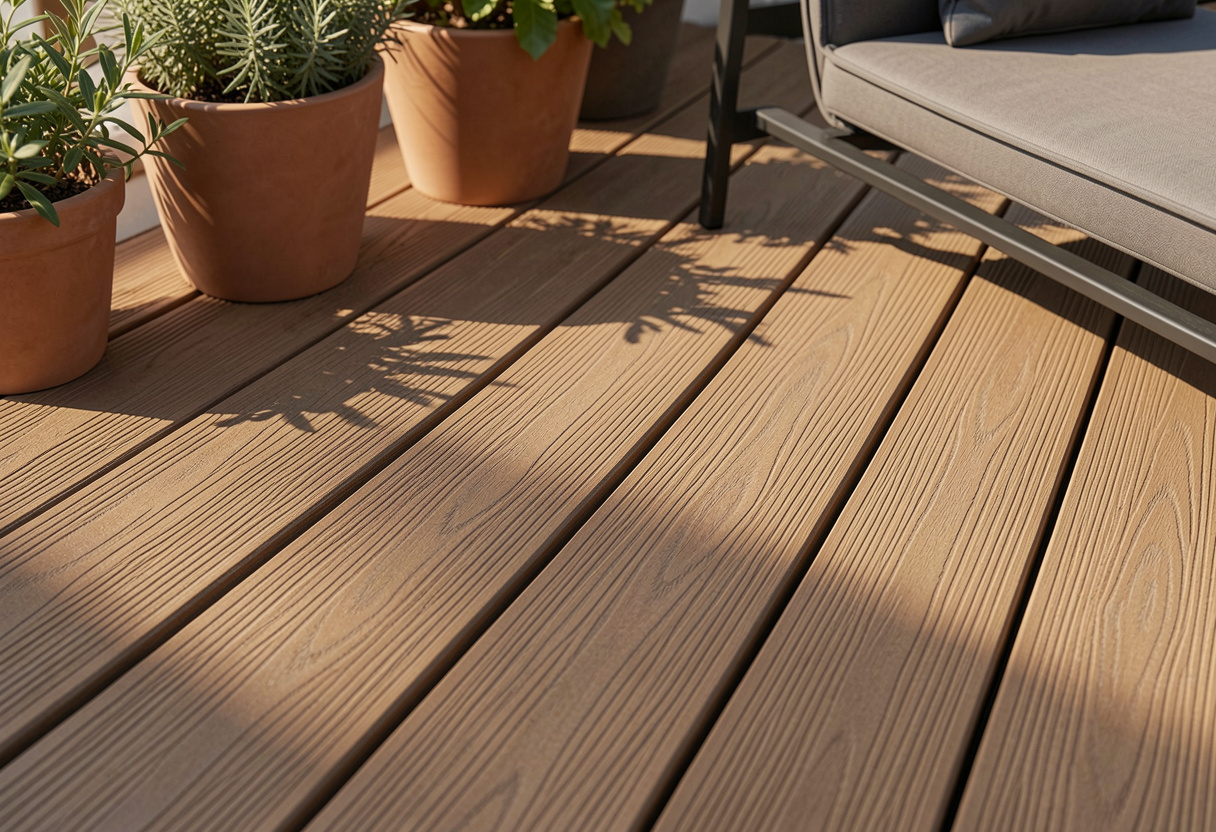
Composite decking reduces the maintenance burden considerably, requiring little beyond periodic cleaning to retain its appearance and structural performance across decades of waterfront exposure. For Noosaville homeowners weighing up material options, long-term maintenance requirements are a practical consideration that sits alongside aesthetics and upfront cost when making a final decision on the right decking system for their property.
Deck Repairs and Replacements Across the Noosa Hinterland
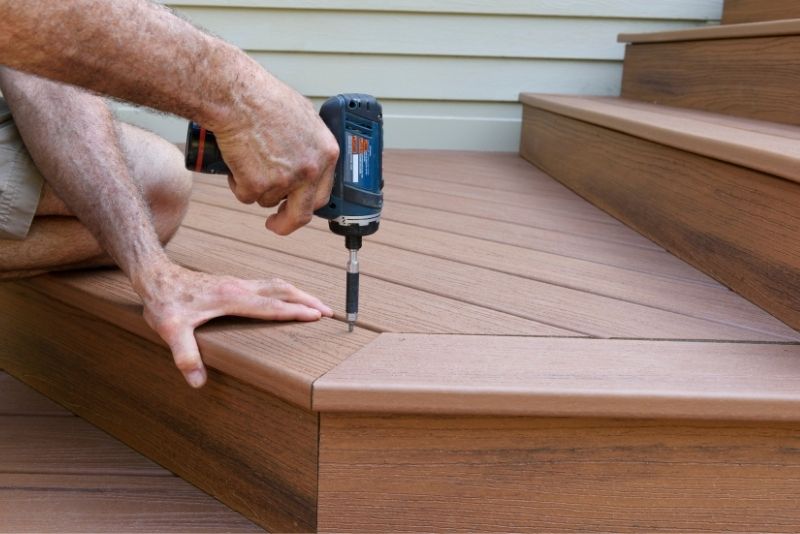
Existing decks across the Noosa Hinterland take a consistent beating from the region’s climate — seasonal moisture, UV exposure, and the movement that comes with elevated structures on sloped ground all contribute to deterioration over time. Boards split, fixings corrode, and subframe timber softens in ways that aren’t always visible from the surface until the structure is properly inspected.
Deck repair work across Cooroy and the surrounding hinterland ranges from targeted board replacements and upgrades to full subframe assessments where the decking surface has masked deeper structural issues. In many cases, a thorough inspection reveals whether selective repairs will restore safe function or whether a full deck replacement is the more practical long-term decision.
Older structures built before the current Australian Standards were introduced frequently fall short of contemporary compliance requirements. A replacement project presents the opportunity to bring the structure up to code while delivering an outdoor space built for the next several decades.
Toggle title
Toggle content goes here, click edit button to change this text.
What Noosaville Homeowners Ask Before Starting a Deck Build
Do I need council approval to build a deck in Noosaville?
Most deck builds in Noosaville require either a building approval or a development application, depending on the size, height, and proximity to the water. A licensed builder will assess your specific site and advise on the correct approval pathway before work begins.
What decking materials work best for canal and riverfront properties?
Hardwood timber and composite decking are the most commonly specified materials for Noosaville’s waterfront conditions. Both perform well when correctly installed and maintained. The right choice depends on your maintenance preferences, budget, and the aesthetic direction of the finished space.
How long does a deck build in Noosaville typically take?
Most residential deck builds in Noosaville are completed within one to three weeks once approvals are in place and materials are on site. Larger or more complex multi-level structures may require additional time depending on engineering requirements and site conditions.
Can a deck be built on a sloping block near the river?
Sloping blocks are well-suited to multi-level deck construction. The elevation change can be used to create distinct outdoor zones at different heights, with engineered post and bearer systems designed to handle the site’s specific gradient and soil conditions.
What is the difference between timber and composite decking for a waterfront home?
Timber requires regular oiling or staining to maintain its appearance and resist moisture in a waterfront environment. Composite decking requires minimal ongoing maintenance and resists fading and moisture ingress effectively. Both are viable options depending on how much maintenance a homeowner wants to commit to.
