
Living near the coast offers stunning views and a relaxed lifestyle, but it also presents…
Transform Your Backyard with Multi-Level Deck Design
Making the most of your outdoor area doesn’t mean you need a huge backyard. Multi-level decking offers a smart solution for creating distinct zones that transform how you use your outdoor space. Whether you’re working with a sloping block, want to separate different activities, or simply add visual interest to your property, multi-level decks deliver both style and function.
Instead of one flat entertaining area, imagine having dedicated spaces for cooking, dining, lounging, and even a quiet reading nook – all seamlessly connected. Multi-level decking makes this possible while adding significant appeal and value to your home.
Why Multi-Level Decking Works for Australian Homes
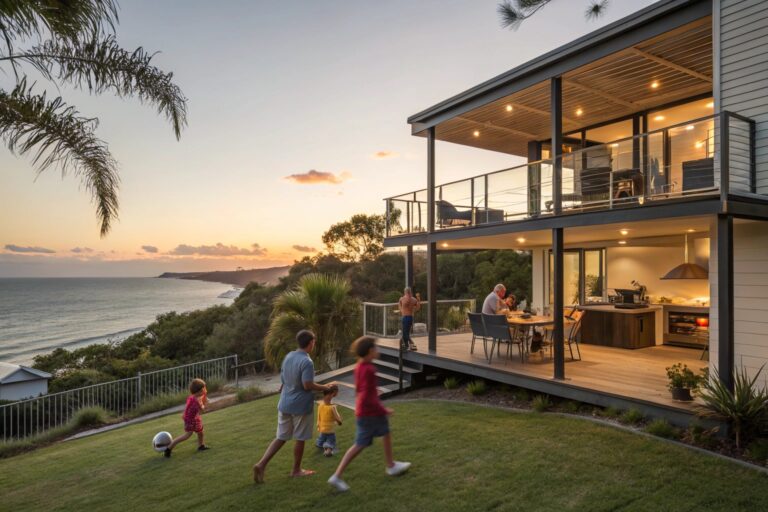
Australian homes often sit on blocks with natural slopes or uneven terrain. Rather than fighting the landscape with extensive earthworks, multi-level decking works with these gradients to create something special. This approach saves on costly excavation while turning what might seem like a challenge into a design feature.
The separation between levels naturally defines different areas without needing walls or screens. You can have kids playing on one level while adults relax on another. The change in height creates privacy between zones and makes spaces feel larger than they actually are.
Planning Your Multi-Level Deck: Key Design Considerations
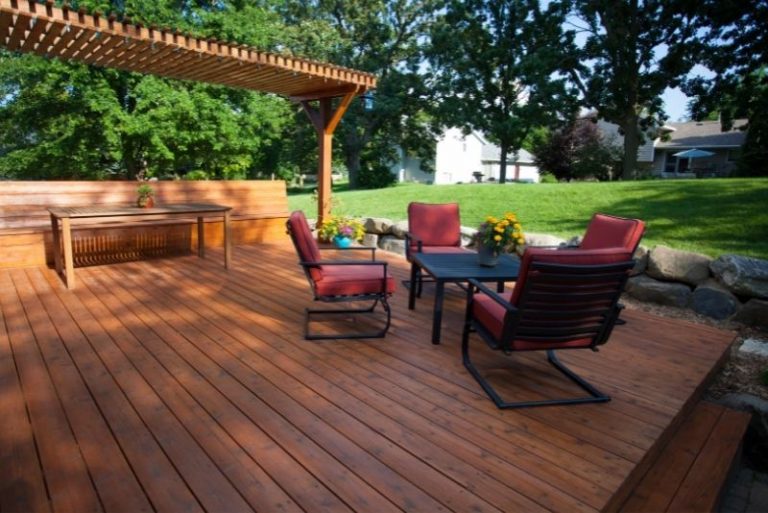
Before construction begins, careful planning ensures your deck meets both practical needs and council requirements. The first step involves assessing your block’s slope and determining how many levels make sense. Most homes benefit from two to three levels, though this depends on available space and terrain.
Consider how you’ll move between levels. Steps should be comfortable and safe, with consistent riser heights throughout. Decking Sunshine Coast Solutions recommends planning for adequate width on stairs – at least 900mm – so people can pass comfortably and furniture can be moved if needed.
Think about sight lines and flow. You want levels to connect logically, guiding people naturally through the space. Position higher levels to capture views or breezes, while lower levels might nestle closer to the garden or pool area.
Access from your home matters too. The main entry level should connect easily with your indoor living areas, typically through sliding or French doors. This creates a seamless indoor-outdoor transition that’s essential for modern Australian living.
Creating Functional Zones: Entertainment, Dining, and Relaxation Areas
Once you’ve planned the structure, it’s time to assign purposes to each level. The key is matching activities to the right spots based on sun exposure, views, access, and size.
The main entertaining level typically sits closest to the kitchen, making it easy to serve food and drinks. This area needs enough space for a barbecue, outdoor furniture, and room for guests to mingle. Most families make this their largest level.
A separate dining zone on another level creates an intimate setting for meals. This area can be slightly elevated for views or positioned to catch afternoon shade. It doesn’t need to be huge – just comfortable seating for your household plus a few guests works well.
Relaxation zones work beautifully on smaller, more private levels. These quieter spaces might include a daybed, hammock, or comfortable seating tucked away from the main action. Position these areas to capture morning sun or provide a peaceful retreat with garden views.
Materials and Construction: Building a Multi-Level Deck That Lasts
Choosing the right materials ensures your multi-level deck stands up to Queensland’s climate. Hardwood timbers like spotted gum or ironbark offer excellent durability and natural beauty, while composite decking provides low maintenance with a consistent appearance.
The structural framework requires extra attention for multi-level designs. Posts, bearers, and joists must be properly engineered to support the additional weight and stress points where levels connect. Decking Sunshine Coast Solutions ensures all work meets Australian building standards and local council requirements.
Drainage becomes crucial with multiple levels. Water must flow away from structures and not pool between levels. Proper joist spacing, slight falls in the decking surface, and adequate ventilation underneath prevent moisture problems that could compromise your deck’s lifespan.
Balustrades and safety barriers are mandatory for any deck over a certain height. These elements can enhance your design rather than detract from it. Glass panels maintain views, while timber or cable rails offer a more natural aesthetic.
Maximising Your Investment: Lighting, Features, and Finishing Touches
The right finishing touches transform a well-built deck into an outdoor room you’ll use year-round. Lighting is essential for multi-level decks, both for safety and ambience. Install step lights on risers, post lights at level changes, and ambient lighting in entertaining zones.
Built-in seating along edges saves space and provides permanent solutions for gatherings. Planters integrated into the design soften hard edges and bring greenery onto the deck itself. These features are easier to include during construction than adding later.
Consider shade solutions for Queensland’s intense sun. Pergolas, shade sails, or retractable awnings extend usability during the hottest parts of the day. Position these over the main entertaining or dining areas where you’ll spend the most time.
Ready to Create Your Dream Outdoor Space?
Multi-level decking offers endless possibilities for transforming your backyard into functional, beautiful zones that suit your lifestyle. Decking Sunshine Coast Solutions specialises in designing and building custom multi-level decks that make the most of your property’s unique features. Contact them today for a free consultation and quote to start planning your perfect outdoor entertaining area.

