
Making the most of your outdoor area doesn't mean you need a huge backyard. Multi-level…
Coastal Deck Care: Stop Warping and Cupping Before It Starts
Living near the coast offers stunning views and a relaxed lifestyle, but it also presents unique challenges for outdoor timber structures. Deck warping and cupping are common problems in high-humidity coastal areas, where salt air, moisture, and intense UV exposure can take a toll on even the best-built decks. Understanding how to prevent these issues will help you protect your investment and enjoy your outdoor space for years to come. This guide covers everything you need to know about keeping your coastal deck straight, stable, and looking great.
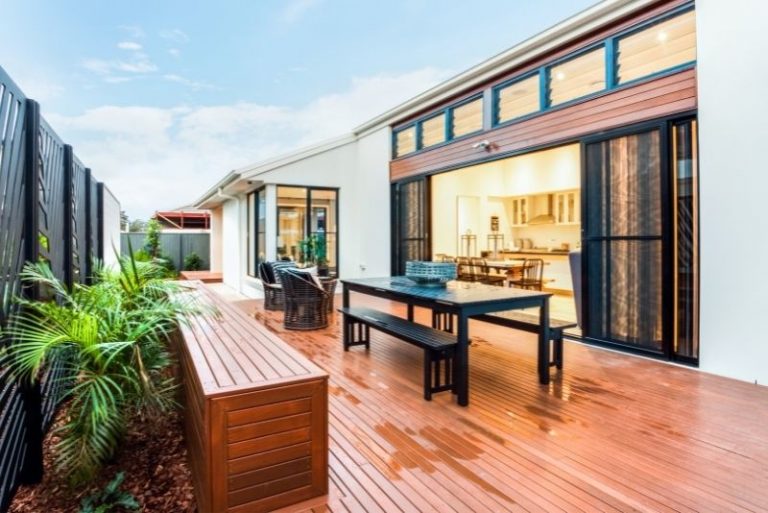
Understanding Why Coastal Decks Warp and Cup: Moisture and Salt Exposure
Warping occurs when deck boards twist or bend out of shape, while cupping happens when the edges of boards rise higher than the centre, creating a concave surface. In coastal areas, these problems develop faster due to constant moisture fluctuations and salt air exposure.
Timber naturally absorbs and releases moisture based on the surrounding humidity levels. Near the coast, your deck experiences dramatic moisture changes—from morning dew and sea spray to intense afternoon sun. This constant expansion and contraction puts stress on the timber fibres, eventually causing warping and cupping.
Salt air accelerates the problem by drawing moisture into the timber and corroding metal fasteners. When fasteners rust, they lose their grip, allowing boards to move more freely and warp. Additionally, salt can break down protective finishes more quickly, leaving timber vulnerable to moisture penetration.
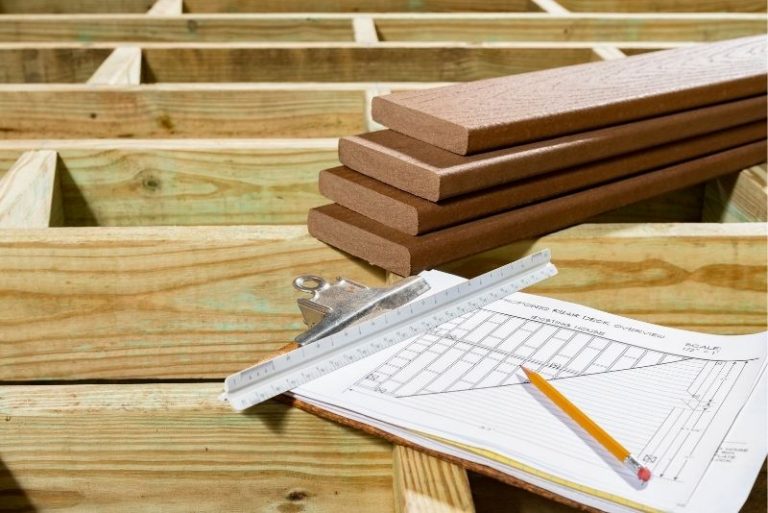
Choosing the Right Timber Species for High-Humidity Coastal Environments
Not all timber species perform equally well in coastal conditions. Selecting the right material is your first line of defence against warping and cupping.
Hardwoods like spotted gum, ironbark, and blackbutt naturally resist moisture better than softwoods. These dense Australian hardwoods contain oils and resins that help repel water and resist decay. Merbau is another excellent choice, offering exceptional dimensional stability in humid conditions.
Treated pine can work in coastal areas if properly maintained, but it requires more frequent sealing and inspection than hardwoods. The treatment protects against rot and insects but doesn’t prevent moisture absorption.
Whatever timber you choose, ensure boards are properly kiln-dried before installation. Kiln-dried timber has a lower moisture content and will experience less movement after installation compared to green or air-dried timber.
Proper Installation Techniques to Minimise Warping and Cupping
Even the best timber will warp if installed incorrectly. Several installation practices help prevent problems in coastal environments.
Install deck boards bark-side down whenever possible. The bark side curves upward naturally, so placing it down helps counteract cupping tendencies. You can identify the bark side by looking at the growth rings on the board ends—install with rings pointing upward in an arch shape.
Leave adequate spacing between boards for drainage and expansion. A 5-8mm gap allows water to drain quickly and gives boards room to expand without buckling. In high-humidity areas, boards will swell more than in drier climates.
Use stainless steel or hot-dipped galvanised fasteners exclusively in coastal installations. Standard galvanised screws will rust quickly in salt air, losing their holding power. Pre-drill screw holes to prevent splitting and ensure fasteners grip properly.
Ensure your substructure provides proper ventilation underneath the deck. Good airflow helps boards dry evenly on both sides, reducing cupping. Decking Sunshine Coast Solutions always designs substructures with adequate spacing to promote air circulation in coastal builds.
Essential Maintenance Practices for Coastal Deck Longevity
Regular maintenance dramatically extends deck life and prevents warping issues from developing.
Clean your deck every 2-3 months to remove salt buildup and organic debris. Use a deck cleaner designed for timber, followed by a thorough rinse. Don’t use high-pressure washers, as they can damage timber fibres and force water deeper into boards.
Apply a quality penetrating oil or sealer annually. Coastal decks need more frequent reapplication than inland decks due to harsh UV exposure and salt air. Choose products with UV inhibitors and water repellents specifically formulated for coastal conditions.
Inspect fasteners regularly and replace any showing signs of rust immediately. Check for loose boards and re-secure them before warping becomes severe. Address small problems early before they require board replacement.
Trim vegetation around your deck to improve airflow and reduce moisture retention. Plants touching deck surfaces trap moisture against the timber, accelerating warping and decay.
When to Consider Composite Decking for Coastal Applications
If you’re tired of constant maintenance or dealing with warping issues, composite decking offers an alternative worth considering.
Modern composite decking products resist warping, cupping, and rot without requiring sealing or staining. They perform consistently in high-humidity environments and won’t corrode from salt exposure. While the upfront cost is higher than that of timber, the reduced maintenance can make composites more economical over the deck’s lifetime.
However, composites have limitations. They can become hot underfoot in direct sun, may fade over time, and lack the natural beauty of timber. They’re also not suitable for all design applications.
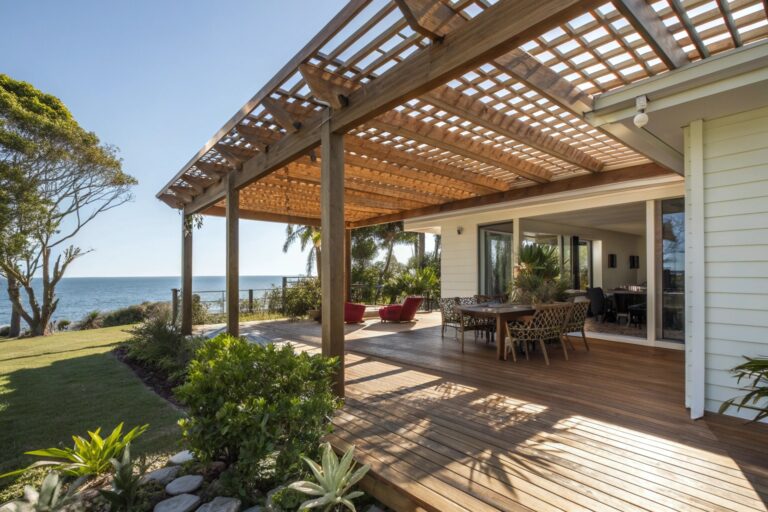
Ready to Build a Warp-Free Coastal Deck?
Preventing deck warping and cupping in coastal areas requires the right materials, proper installation, and consistent maintenance. Decking Sunshine Coast Solutions specialises in building decks designed to withstand the unique challenges of coastal environments. Their team understands local conditions and uses installation techniques proven to minimise warping and maximise deck longevity. Contact them today for a consultation and discover how to create a beautiful, durable outdoor space that stands up to coastal conditions.

